LURU × EYES OF LURU · FOR S.R. GOPAL RAOLURU × EOL · SRGR
× S.R. Gopal Rao Opticians
Proposal — v1
A LURU Magazine Proposal · Eyes of Luru, presented by S.R. Gopal Rao

The City,
In Plain Sight

Eyes of Luru is Bengaluru as its own people see it — hundreds of photographs taken on the way to work and chosen every Monday, gathered now into a single, beautiful object. S.R. Gopal Rao — opticians to this city since 1936 — presents it.

Two editions: a numbered collector's edition to gift and to keep, and an accessible edition at ₹500 — so the whole city can hold the way it has been seen.

working title — the city will settle on its own name once the photographs are in

Prepared by LURU Magazine For Anjali P.V. · S.R. Gopal Rao 15 June 2026

About the lights above: they sit out of focus until you look — move your cursor and the city sharpens, the way an eye, or a lens, settles on what it has chosen to see.

Scroll ↓ · Move your cursor — the city comes into focus
00

What We Heard on the 12th of June

Nikhil and Anjali got on a call on 12 June. The email that came after changed the brief — Garrett Leight stepped aside, and what was left was a Bengaluru book. This proposal picks up from there.

We heardWe built
Drop Garrett Leight — "keep the book focused on the story of Bangalore through the lens of SRGR and the eyes of Luru." The book is Eyes of Luru, presented by S.R. Gopal Rao. The brand runs as short interludes between the photo chapters, with the city kept in front. §02
A keepsake, not an ad — "something they will be excited about receiving, and keeping," like the coffee-table book Anjali was gifted in Paris. Photographs lead every spread; SRGR's ninety years arrive quietly between them — a few printed on vellum, read through the page, never over the city. §03
About 250 copies — a numbered limited edition to gift, plus a run for open sale; first buyers of the season get one too. Two editions: a numbered collector's edition (~250) and an accessible ₹500 edition for the city. §03
Print passed through at cost; paper prices volatile because of the war; print not folded into Luru's fee. Our ₹25L is creation only — research, photography, editorial, design. Print is quoted at cost and locks at dummy approval. §08
SRGR runs "See Bangalore Better" — a community of people who live in and love the city — and food walks "Through the Lens of SRGR." This book is the print expression of exactly that ethos — and a themed call for new submissions, so the city keeps looking. §04
Open to a long-term collaboration with Eyes of Luru specifically. Built as the first chapter of an ongoing partnership — an annual the city could come to expect. §12

01

Why This Book, Why Now

The story begins opposite Tipu Sultan's Fort, in the old quarter of the city. There, in the late 19th century, S.N. Rama Rao — a watchmaker, a dentist, and an optician to the Maharaja of Mysore — set up shop. He handed the trade to his son, S.R. Gopal Rao, who became Bangalore's first qualified optometrist and, in 1936, opened the premises on N.R. Road that still stands there today. Endorsed by the erstwhile royal family of Mysore, the house passed hand to hand through four generations of the same family — now led by Hemanth Manay, the third, and Meghana Manay, the fourth. Today it keeps three boutiques across the city — N.R. Road, Residency Road, and Jayanagar — alongside its own label, Getspexy, and an online shop.

An old Bangalore street, photographed for Eyes of Luru
The city S.R. Gopal Rao has helped to see for nearly ninety years · from the Eyes of Luru archive

For ninety years this house has been in the business of how Bengaluru sees, and it is a clean fit for the book. An optician presenting photographs of the city; a community property called See Bangalore Better; food walks run at a loss, just to give people a good afternoon. SRGR calls it "Small Ways to Make a Big Difference," and backs it with substance — the first Essilor Experts in South India, a Myopia Management Centre, a green-company pledge. The opticians of a city and the eyes of Luru sit together easily.

We have a content property called "See Bangalore Better" that revolves around building a community of people who live in, and love, Bangalore. Anjali P.V. · S.R. Gopal Rao Opticians

There is no good reason to wait. S.R. Gopal Rao turns ninety this year, a fitting moment to make something built to last. The archive is ready, the photographers are reachable, and a book made over the monsoon arrives in the festive months, when people are buying gifts and looking for something to keep. Wait a year and it is the same work, minus a year of photographs the city won't take twice.

0years of looking · S.R. Gopal Rao, since 1936
0generations of one family · N.R. Road to Jayanagar
0boutiques across Bengaluru · plus Getspexy online
0Mondays a year · the Eyes of Luru cadence
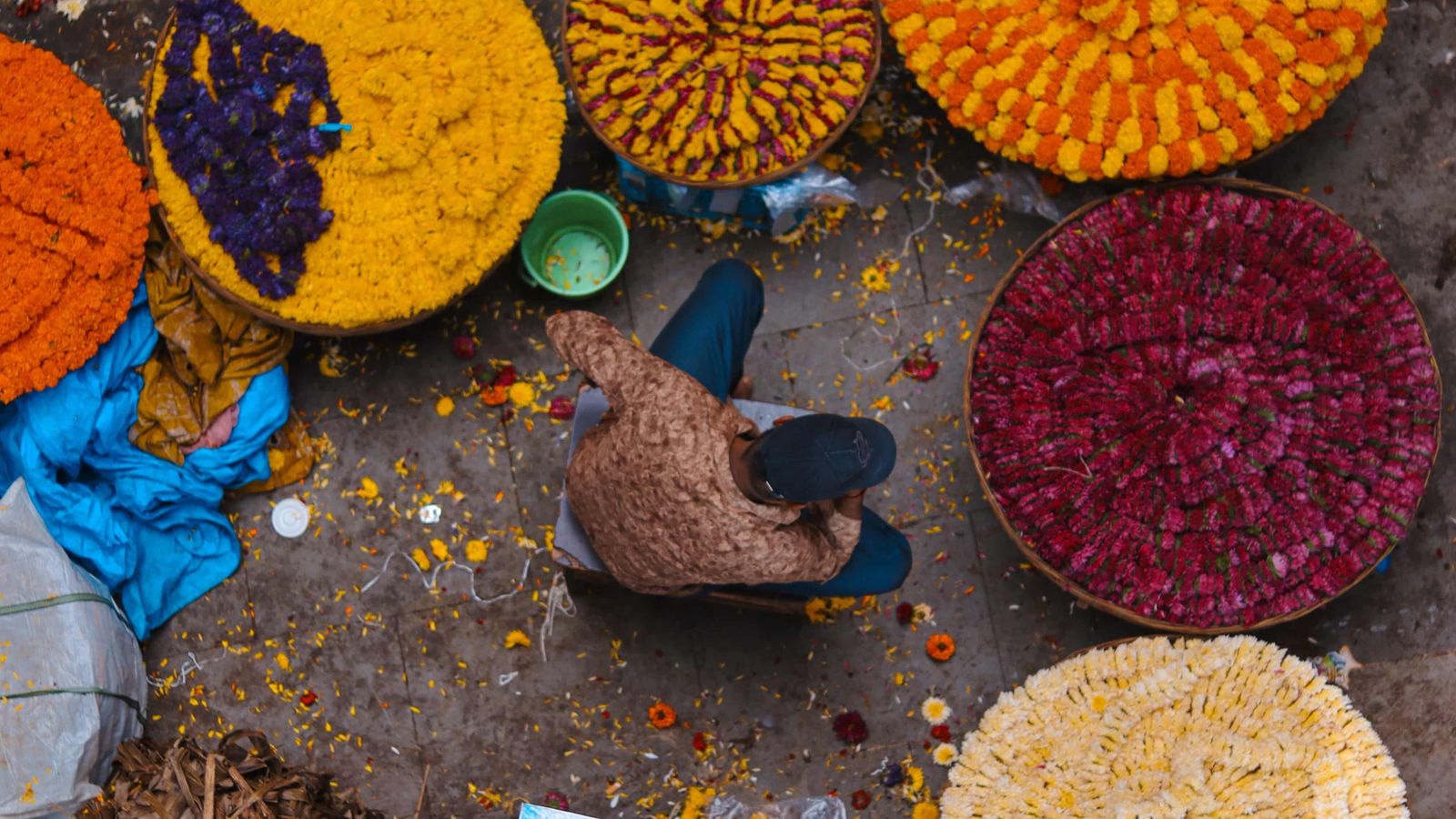
An overhead photograph of a Bangalore flower and colour vendor
Eyes of Luru · @abhishek_hiremani — the city, seen from directly above
02

The Story We Want to Tell

A city is the sum of how it is looked at. Change the lens and a different part of it comes forward — something an optician knows literally. This book is built on that idea: Bengaluru, told as ways of seeing.

The photographs carry the book. SRGR's ninety years arrive between the chapters as short interludes — a few printed on vellum, so the brand's story is read through the page, the city showing behind it. Each chapter is a different lens; together they make a portrait of how Bengaluru is seen by the people who live here.

Chapter 01 · The Familiar
In Plain Sight

What the city walks past every day: the shutter, the bus stop, the hand-painted sign, the tea stall. The photographs make the overlooked suddenly visible.

SRGR interlude — the shop on N.R. Road the city has walked past, and trusted, since 1936.

Chapter 02 · The Overlooked
Hidden Bangalore

The courtyards, the back lanes, the interiors and thresholds a stranger never sees. The city that only reveals itself to someone who already belongs.

SRGR interlude — the old quarter opposite Tipu Sultan's Fort, where S.N. Rama Rao first set up.

Chapter 03 · The Detail
Closer Inspection

The macro frame — texture, grain, the small things held close. The way a photograph can make you look harder than your own eyes ever would.

SRGR interlude — the optician's craft: precision in dispensing, a lens ground true to a fraction of a degree.

Chapter 04 · The Vantage
From Above & Below

Rooftops, terraces, the worm's-eye view from the pavement. The city re-described by the simple act of changing where you stand to look.

SRGR interlude — how a skyline changed across four generations, read from one shop counter.

Chapter 05 · The Long View
Distant Admiration

The horizon, the city held at arm's length, the view across the valley at dusk. Affection from a distance — the way you love a place once you've left it.

SRGR interlude — endorsed by the erstwhile royal family of Mysore: the long arc of trust.

Chapter 06 · The Low Light
After Dark

Bengaluru when the light goes — headlamps, neon, the bokeh of a wet road. The hardest hour to see well, and the most beautiful to photograph.

SRGR interlude — "Better Vision, Since 1936": what it means to see clearly when the light is against you.

The scholarly footing

The book stands on real thinking about looking and belonging — John Berger's Ways of Seeing (1972), Pierre Bourdieu's Photography: A Middle-brow Art (1965) on the dignity of the amateur photograph, and the geographers of place, Doreen Massey and Henri Lefebvre, on the right to the city. Every historical claim about S.R. Gopal Rao is fact-checked against primary sources before it is printed.

A note on editorial honesty

The city appears as it is — the cracked wall beside the gulmohar, the knot of wires over the temple, the beauty and the mess in one frame. Shown honestly, the affection reads as true, and the book keeps its distance from an advertisement.

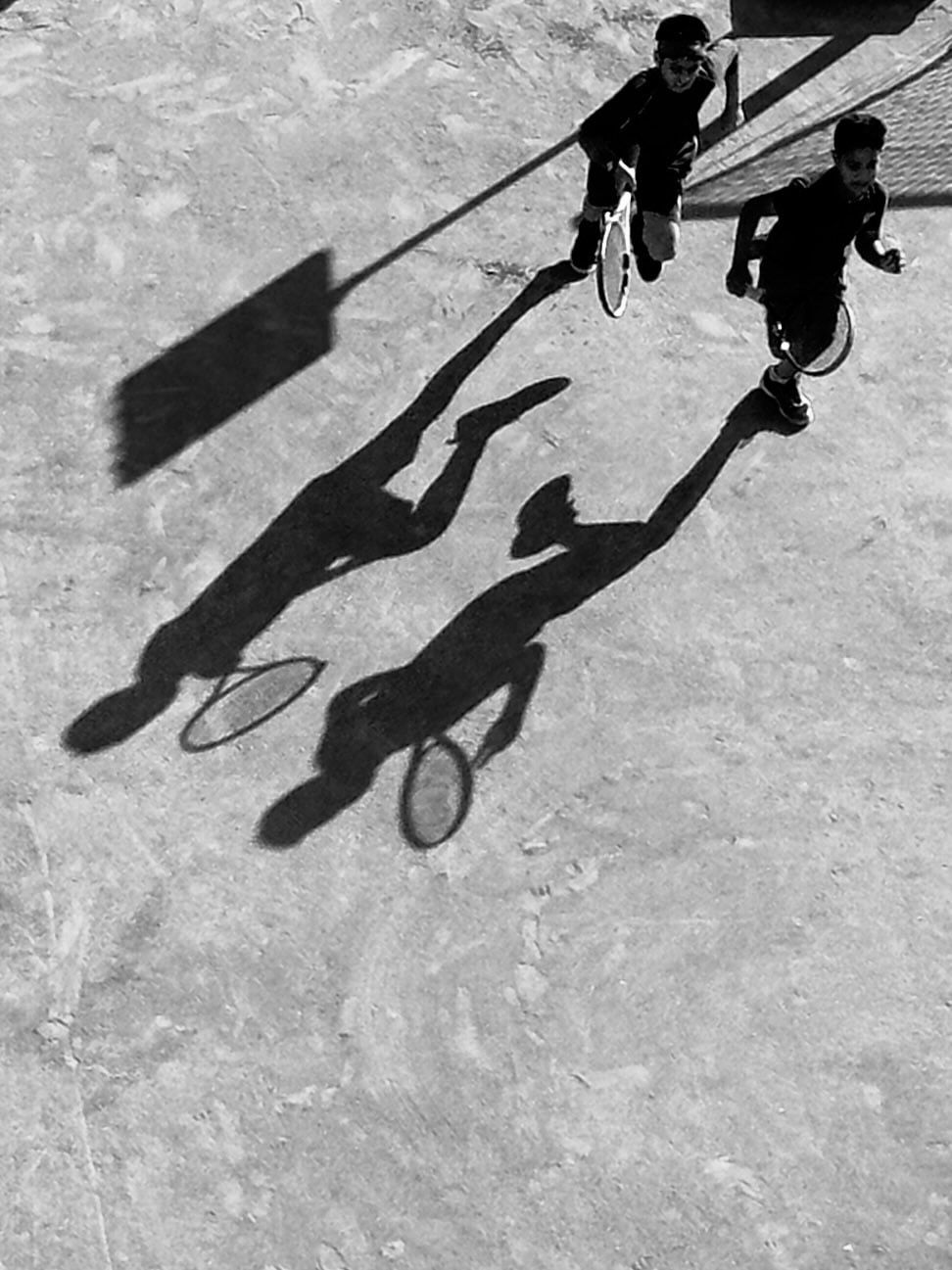
A black-and-white photograph of long shadows on a Bangalore street
Eyes of Luru · @roopapuranikmath — the same street, a different way of seeing
03

The Object Itself

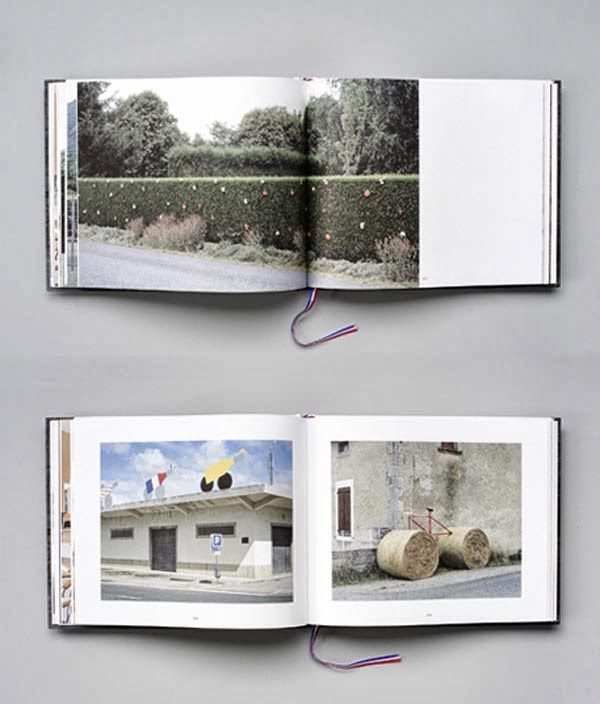
The brief was exact: a keepsake, not an ad; numbered, limited, and a delight to receive. So the object behaves like two things at once — a photographer's print folio, and a book you actually read.

Edition One · ~250 numbered

The Collector Edition

  • Hand-numbered 001–250 — scarcity with meaning, the way a photographer numbers a print run
  • A clothbound case, foil and blind-emboss, sewn binding, archival paper, a ribbon marker
  • Vellum interludes carrying the SRGR story — the brand read through the page
  • A tipped-in opening plate, and a colophon that names every photographer
SRGR's to gift and allocate to the people closest to the house; the first buyers of the season receive a copy.
Edition Two · open run

The ₹500 Edition

  • The same book, beautifully made at a humane price — never more than ₹500
  • So a student who shot one of these frames can own the book it lives in
  • Full colour, sewn, a considered format — for counters, bookshops, and the shared audience
  • This edition does the aspirational work: it makes the city, and the house, present everywhere
The 250 make it precious; the ₹500 edition makes it present. Anjali asked for both.

How the form works

Six design behaviours, each borrowed from the optician's world and the photographer's.

01
The Viewfinder Crop

Chapter openers framed in the Eyes of Luru corner brackets — you enter each chapter as if through a lens.

02
Vellum Interludes

SRGR's story on translucent interleaves: you read the brand through the page, the city showing through behind.

03
Focus Pull

Each chapter sequences from wide to macro, the way a lens racks focus — the eye pulled deeper, spread by spread.

04
The Contact Sheet

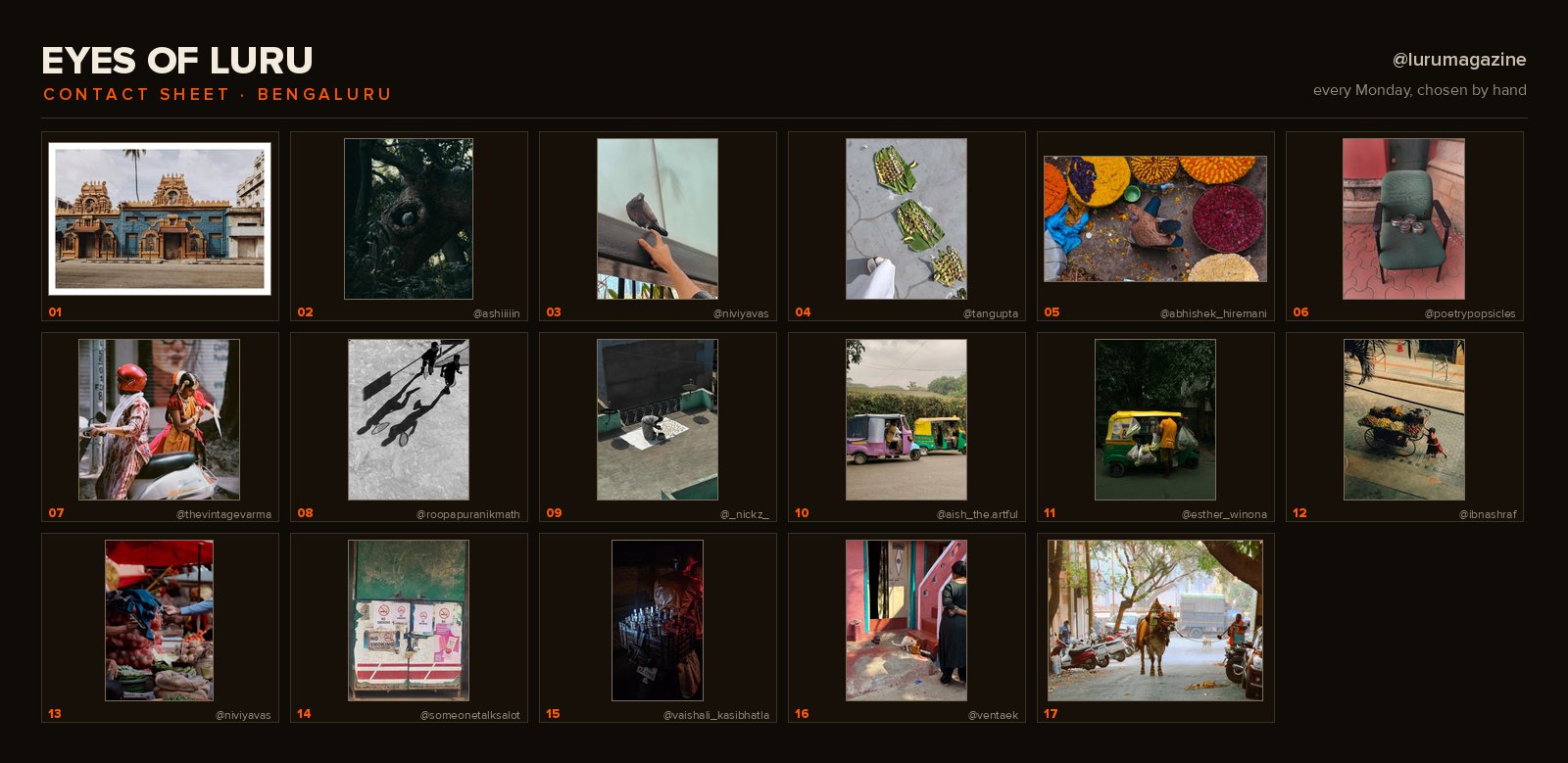
Endpapers printed as a contact sheet of every frame in the book — the whole archive, at a glance.

05
Numbered Like a Print

The collector edition numbered the way an edition of photographs is numbered — collectible by design.

06
The Caption Is a Credit

Every photograph carries its maker's handle. The amateur is named, always — that is the whole point.

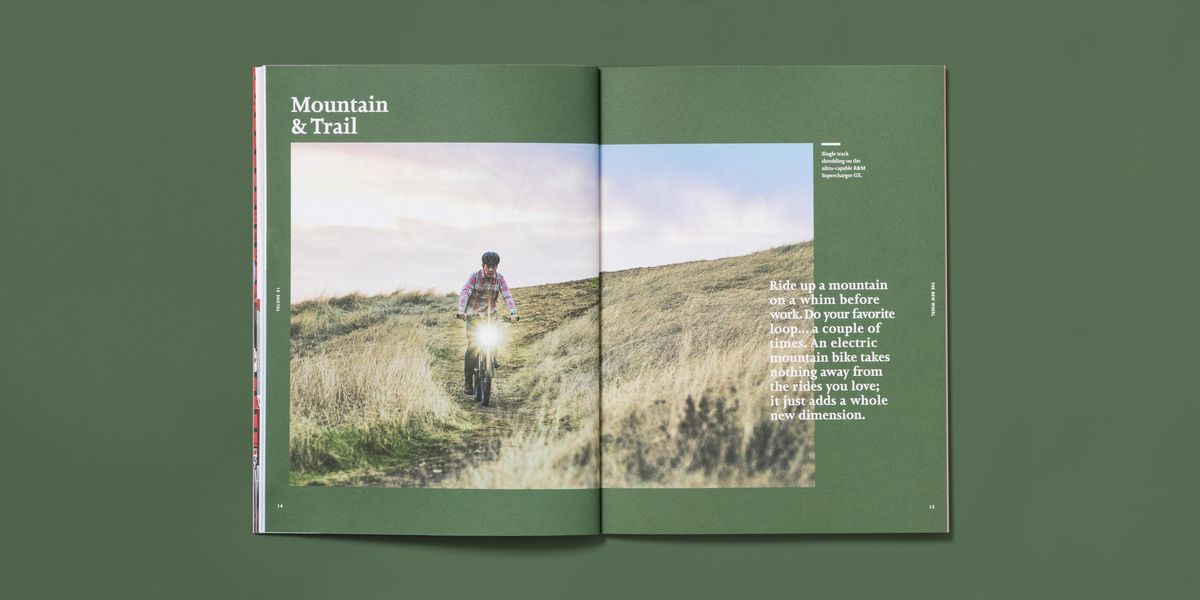
A reader lifting a translucent vellum sheet over a photograph
Reference · the vellum interlude — story read through the page
A clothbound photo book with a warm orange cover
Reference · clothbound, in the Eyes of Luru orange

Books that set the bar

The Indian photo-book tradition we measure against: Raghubir Singh's colour street photography of Indian cities; Dayanita Singh's inventive photo-objects (Museum Bhavan); Sooni Taraporevala's Home in the City; and the international standard for printing photographs honestly, from MACK, Steidl and Aperture. The full visual-reference board lands in the first design sprint.


04

Eyes of Luru — A Living Series

Eyes of Luru has become one of the most warmly received things we run — people watch for the Monday post, send in their own frames, and ask which theme is next. We'll keep growing it at LURU regardless. The reason to bring in a partner is to turn it into something lasting, and S.R. Gopal Rao is the house we'd want: a name with a real place in Bengaluru, and ninety years of helping the city see.

The Eyes of Luru cards — this week's post, and how to take part
The series as it runs today on Instagram · @lurumagazine
1 / 14
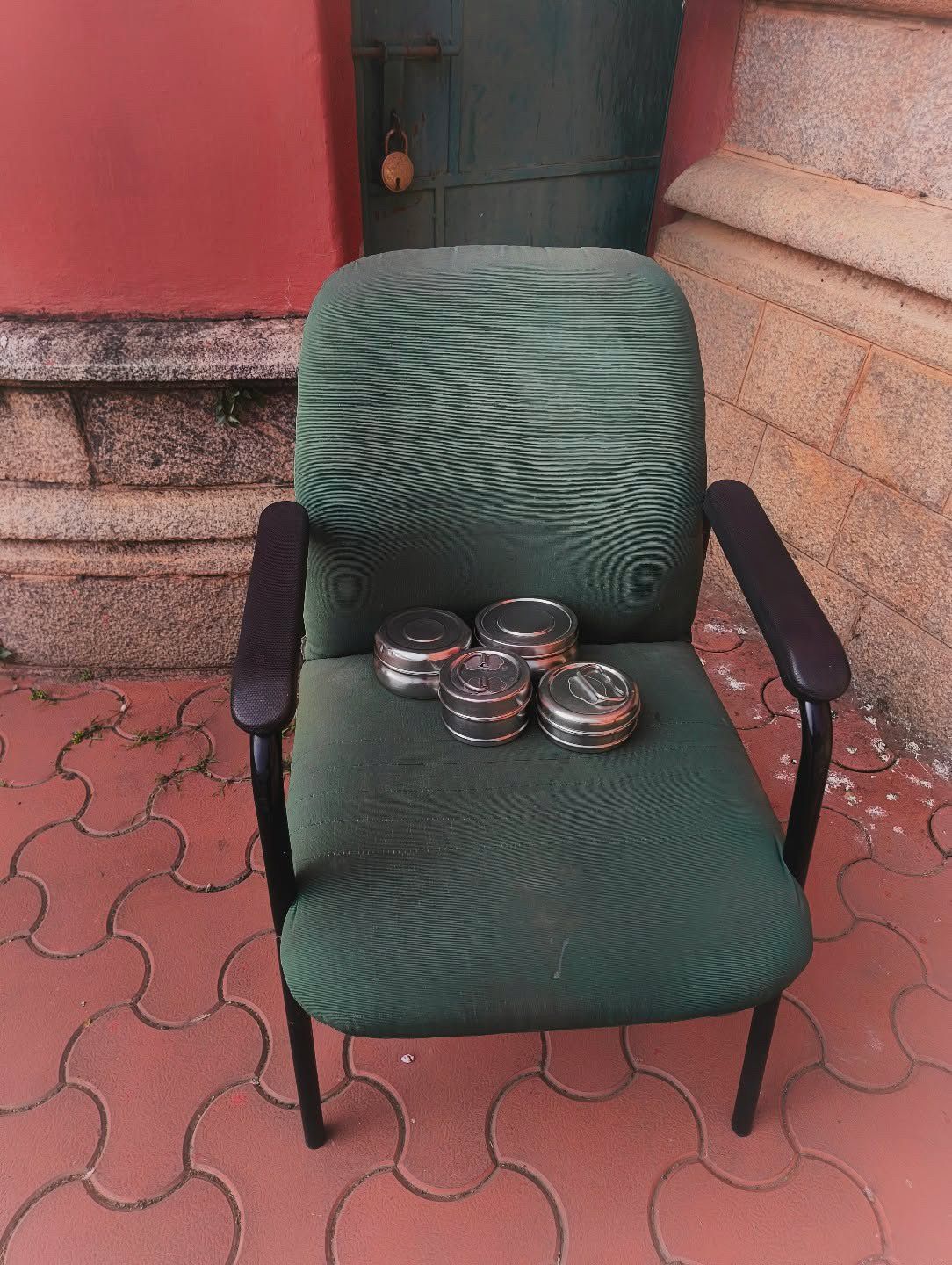
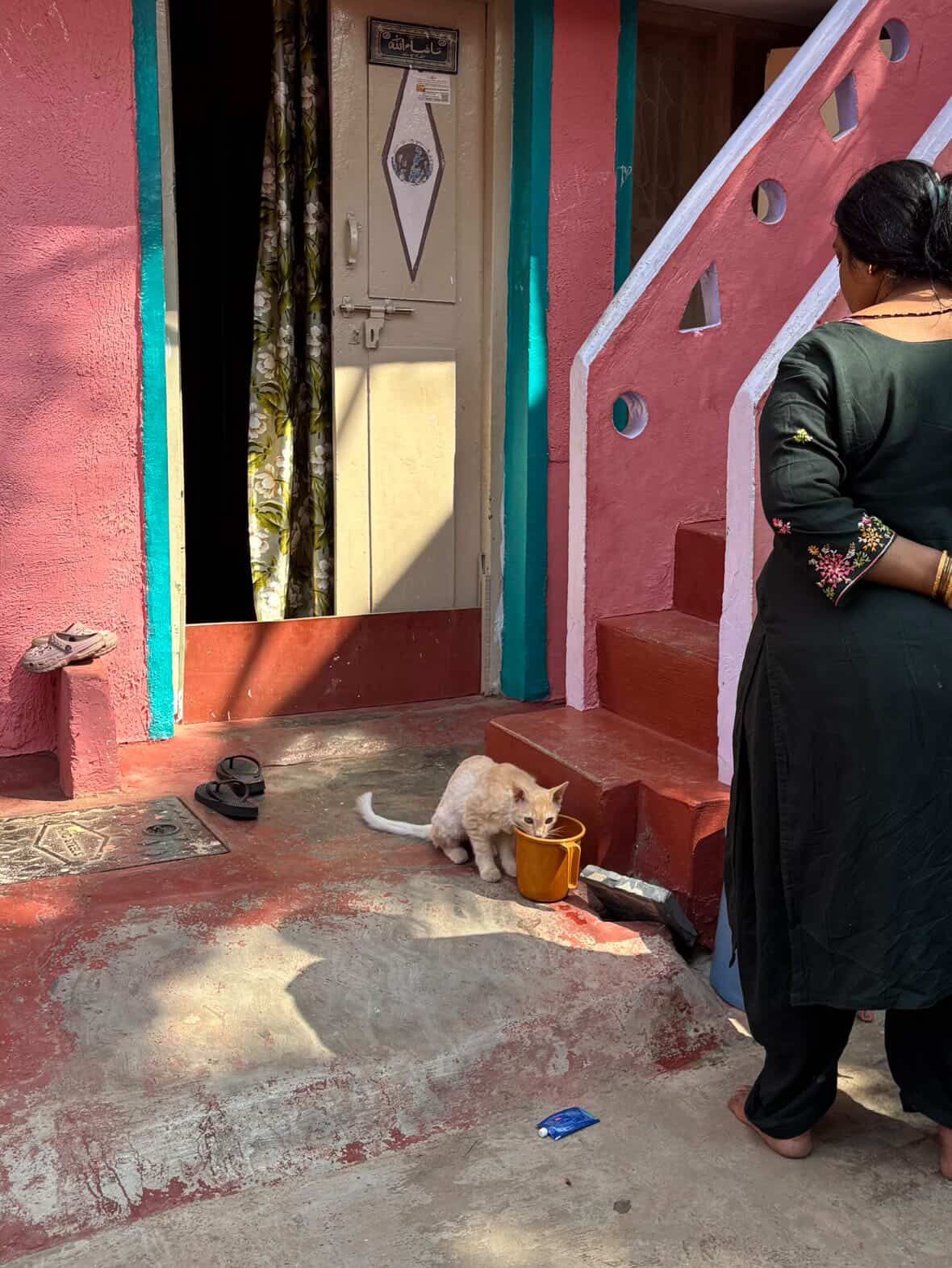
A green chair against a pink wall, Bengaluru
@poetrypopsicles
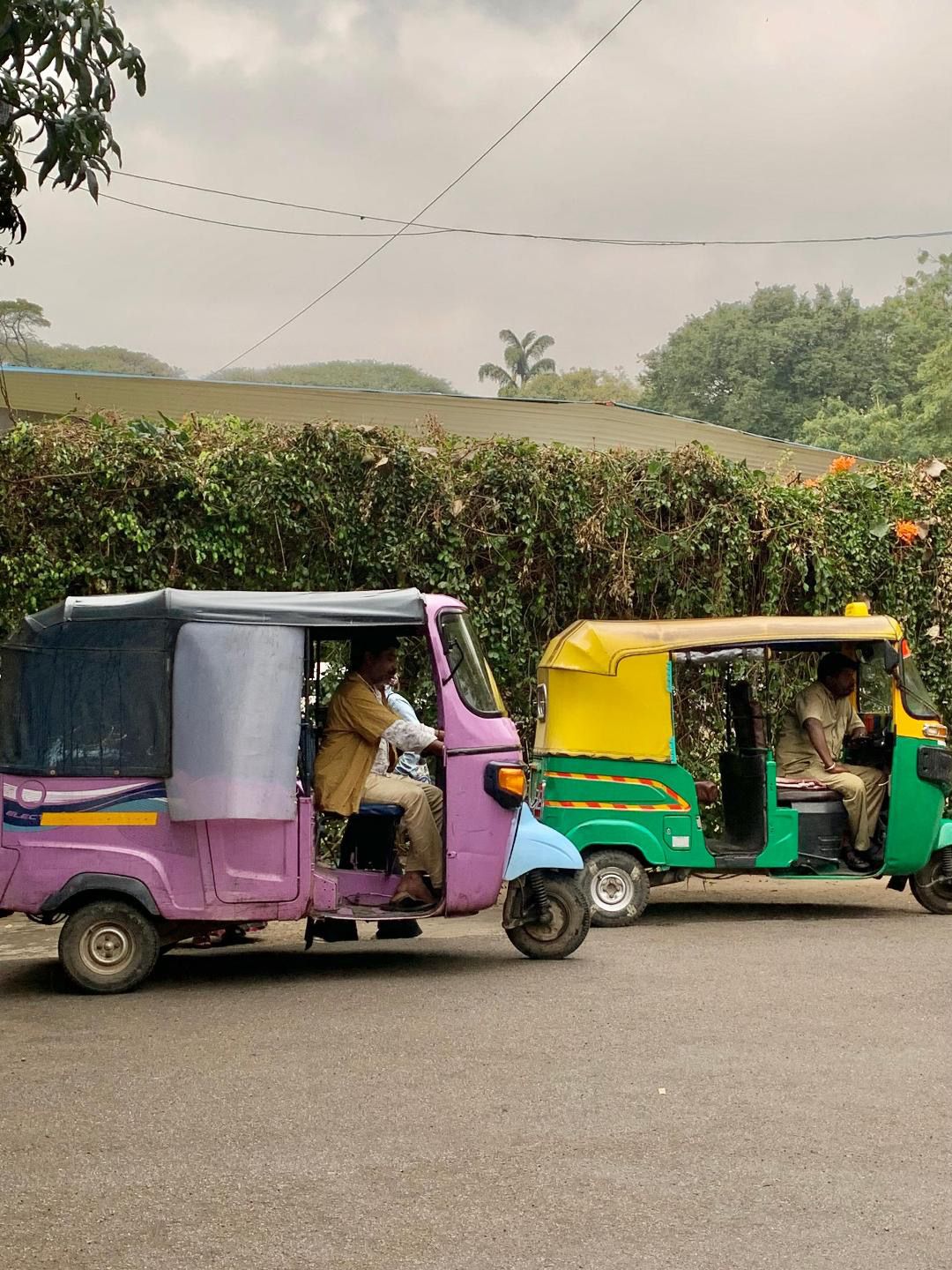
Autorickshaws lined up in a Bengaluru lane
@aish_the.artful
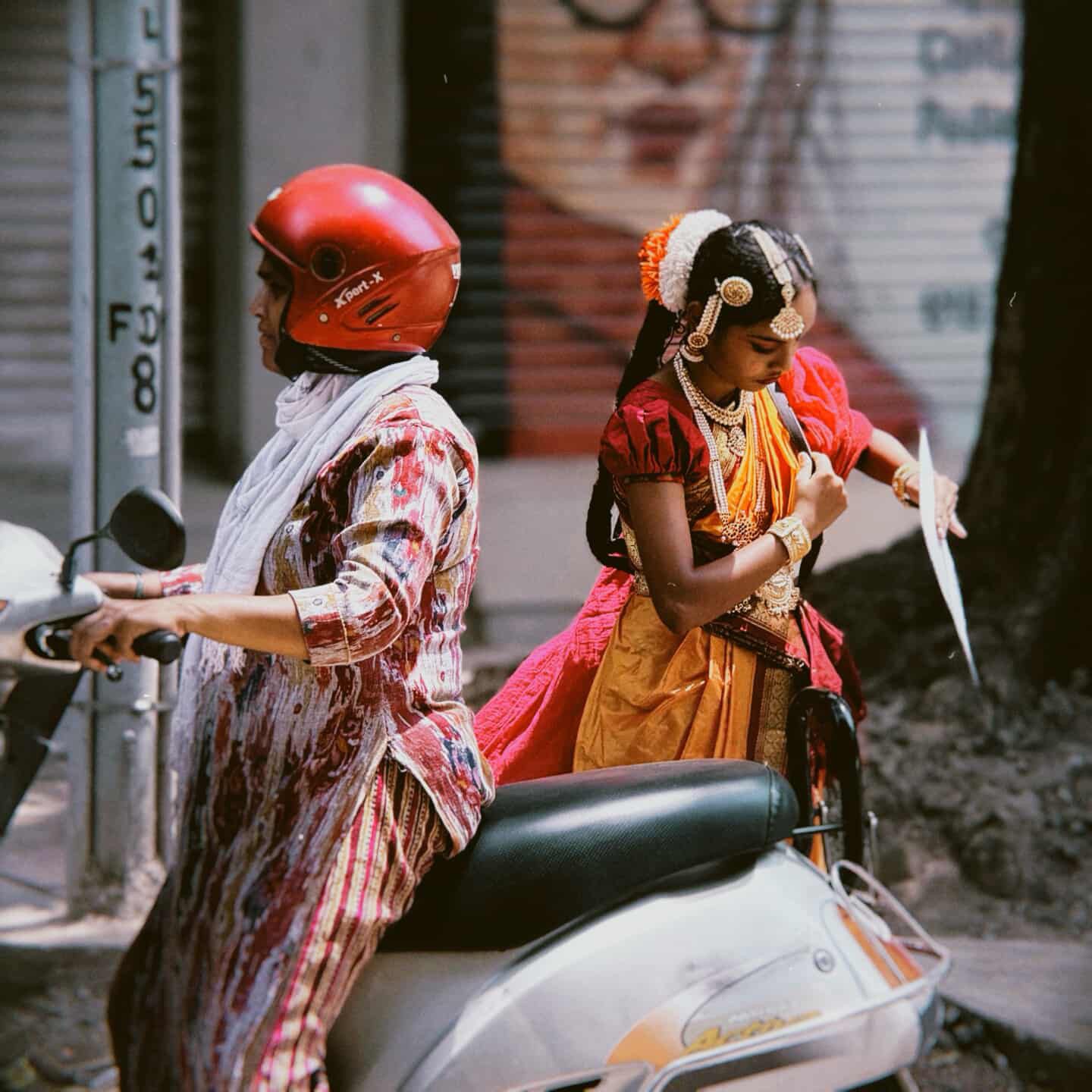
Street performers in Bengaluru
@thevintagevarma
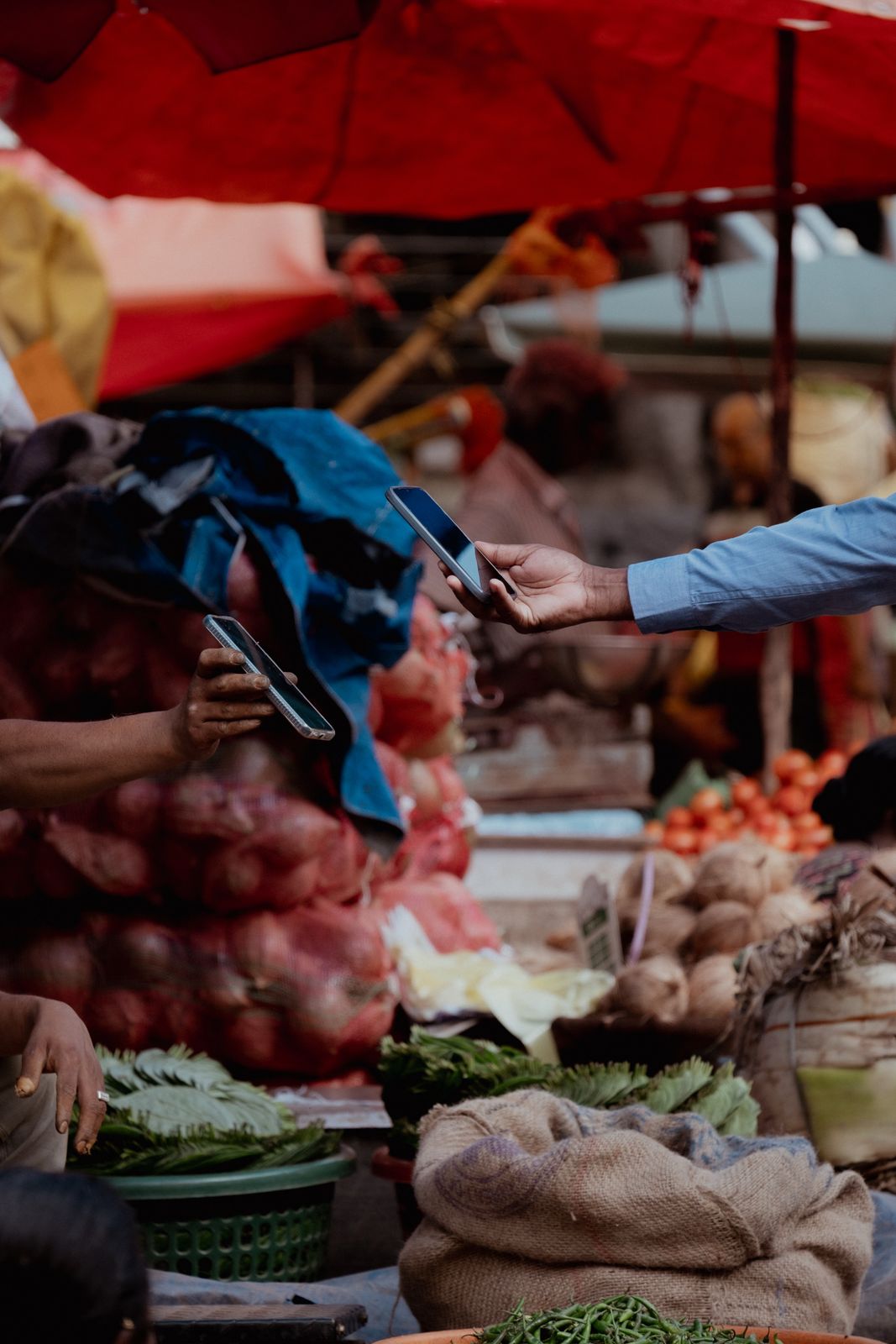
A Bengaluru market
@niviyavas
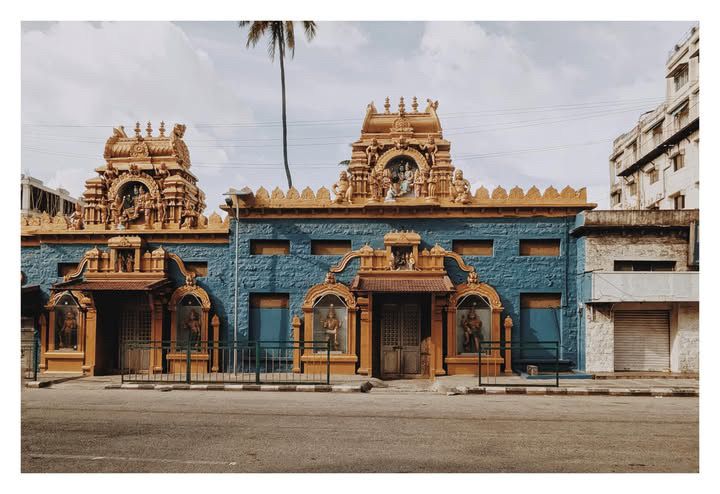
An old Bengaluru temple façade
eyes of luru
A figure in a doorway
@ventaek
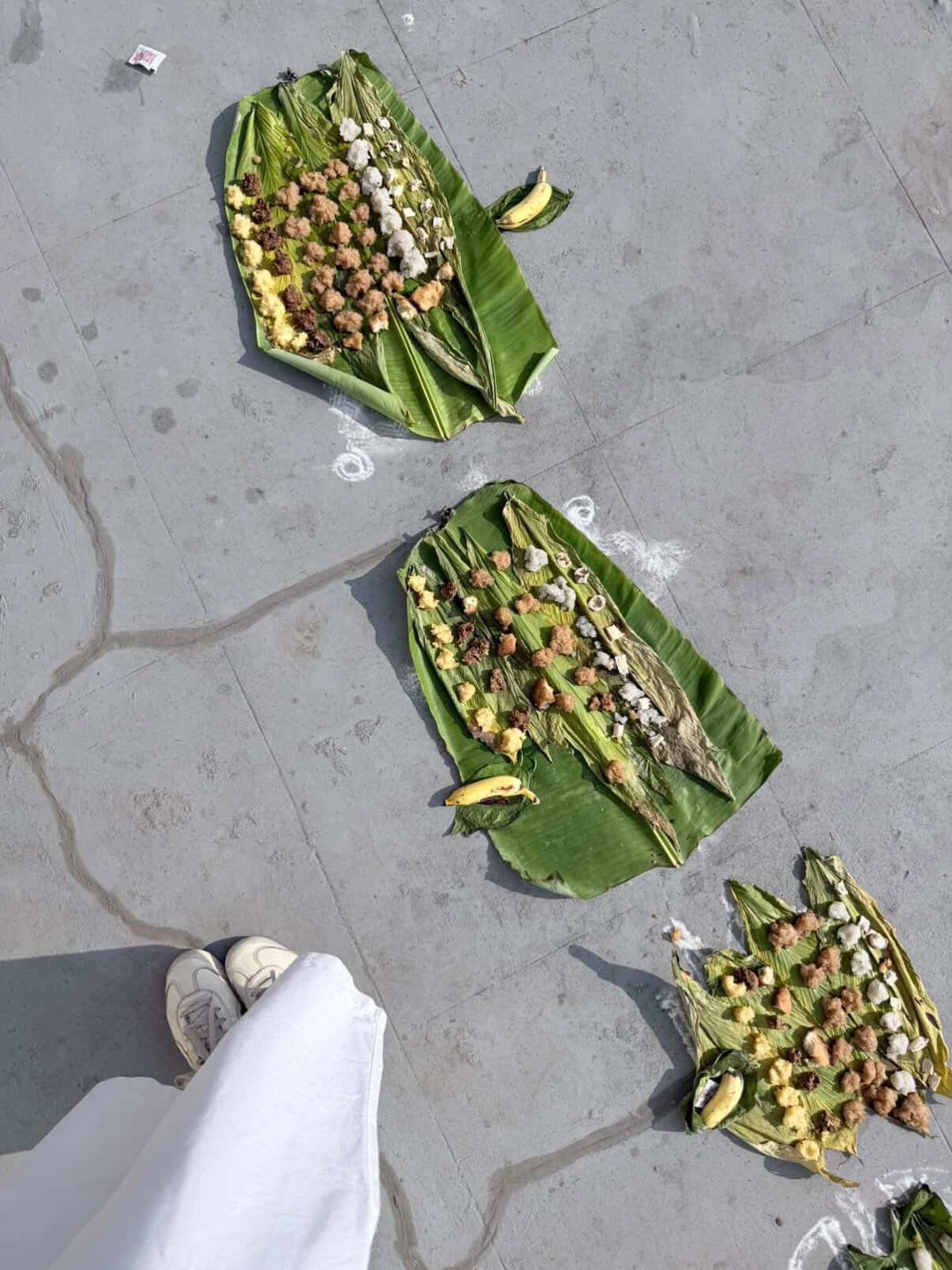
Food laid out on banana leaves, seen from above
@tangupta
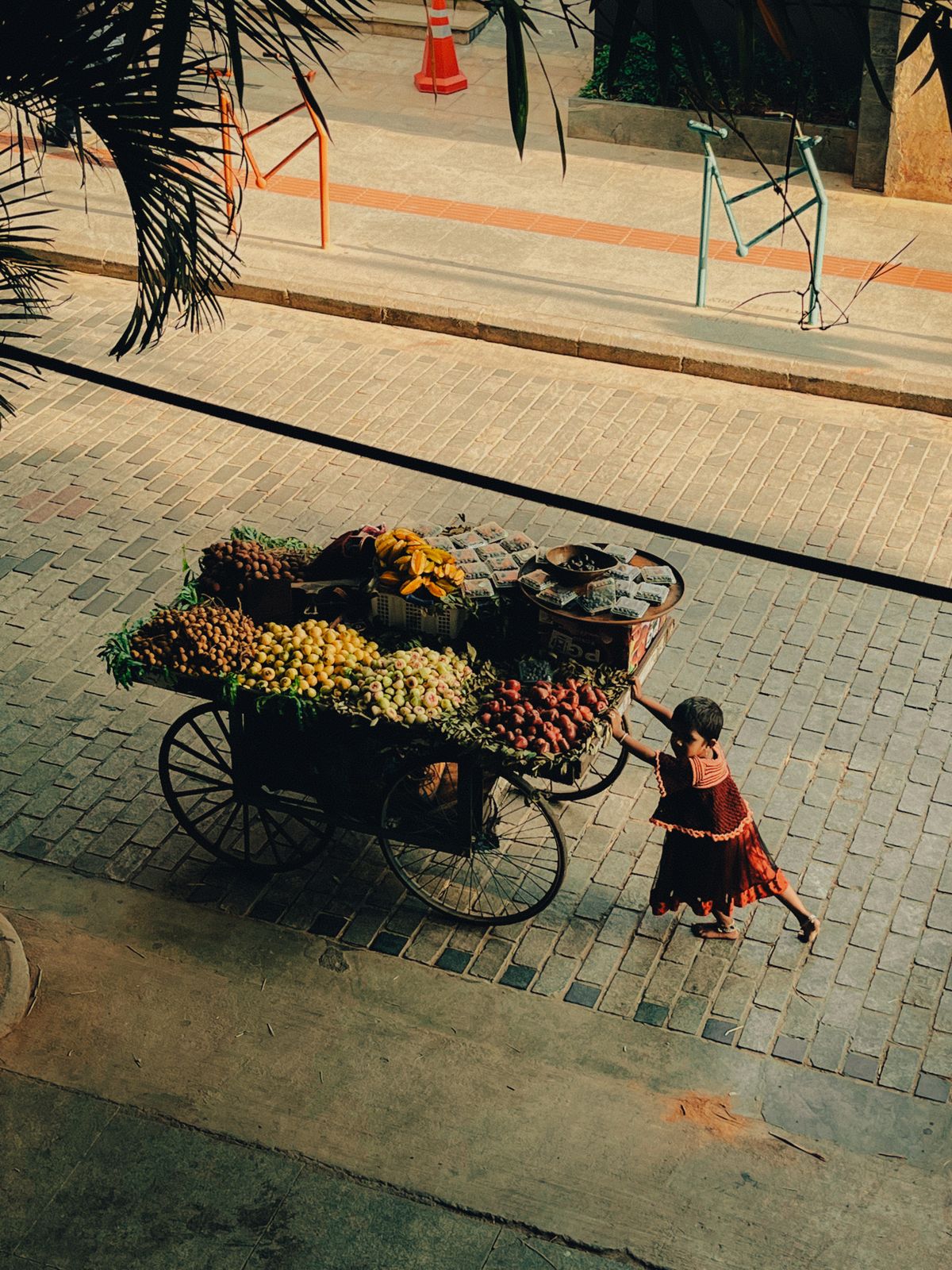
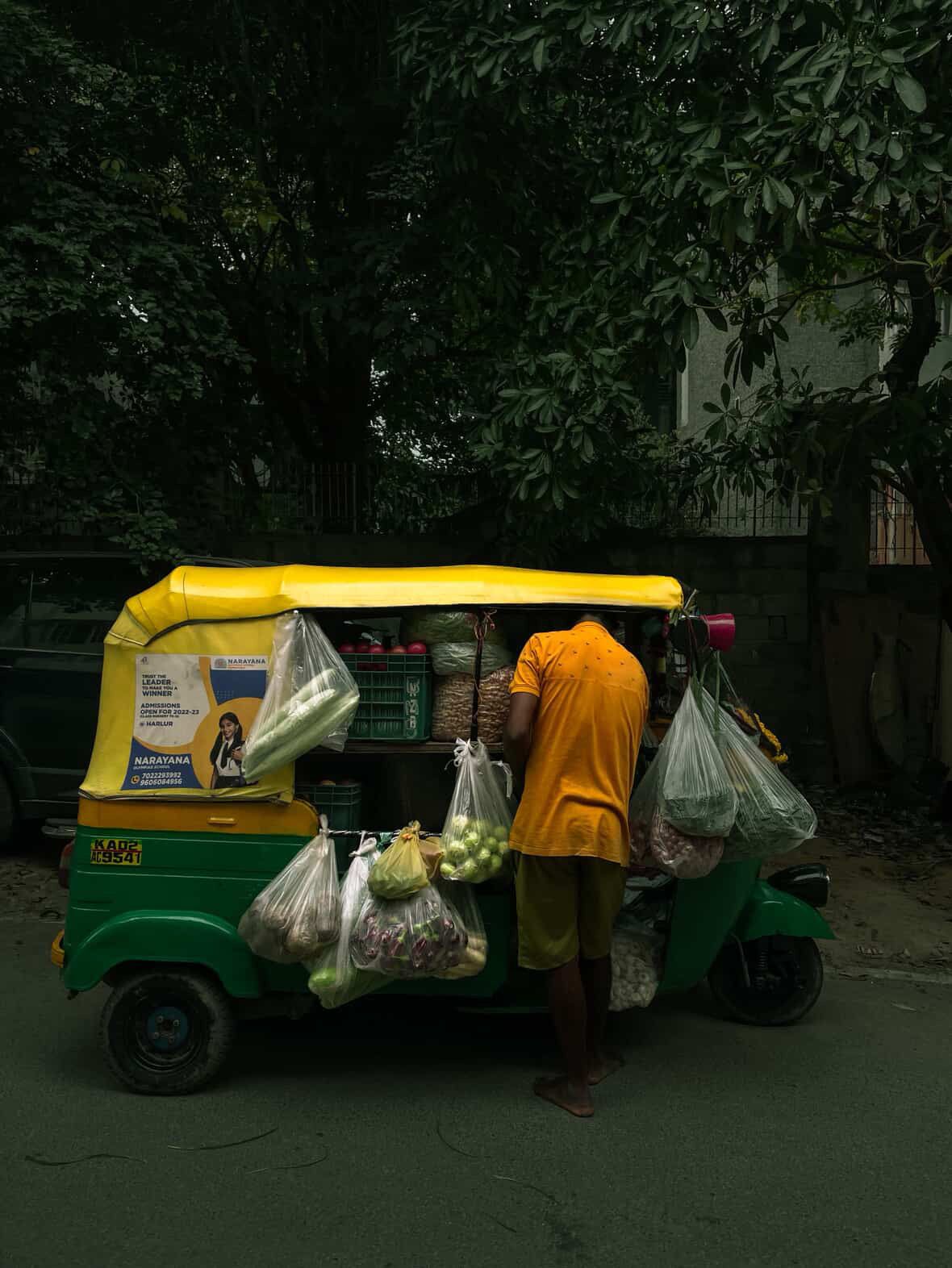
A produce cart on a Bengaluru street
@ibnashraf
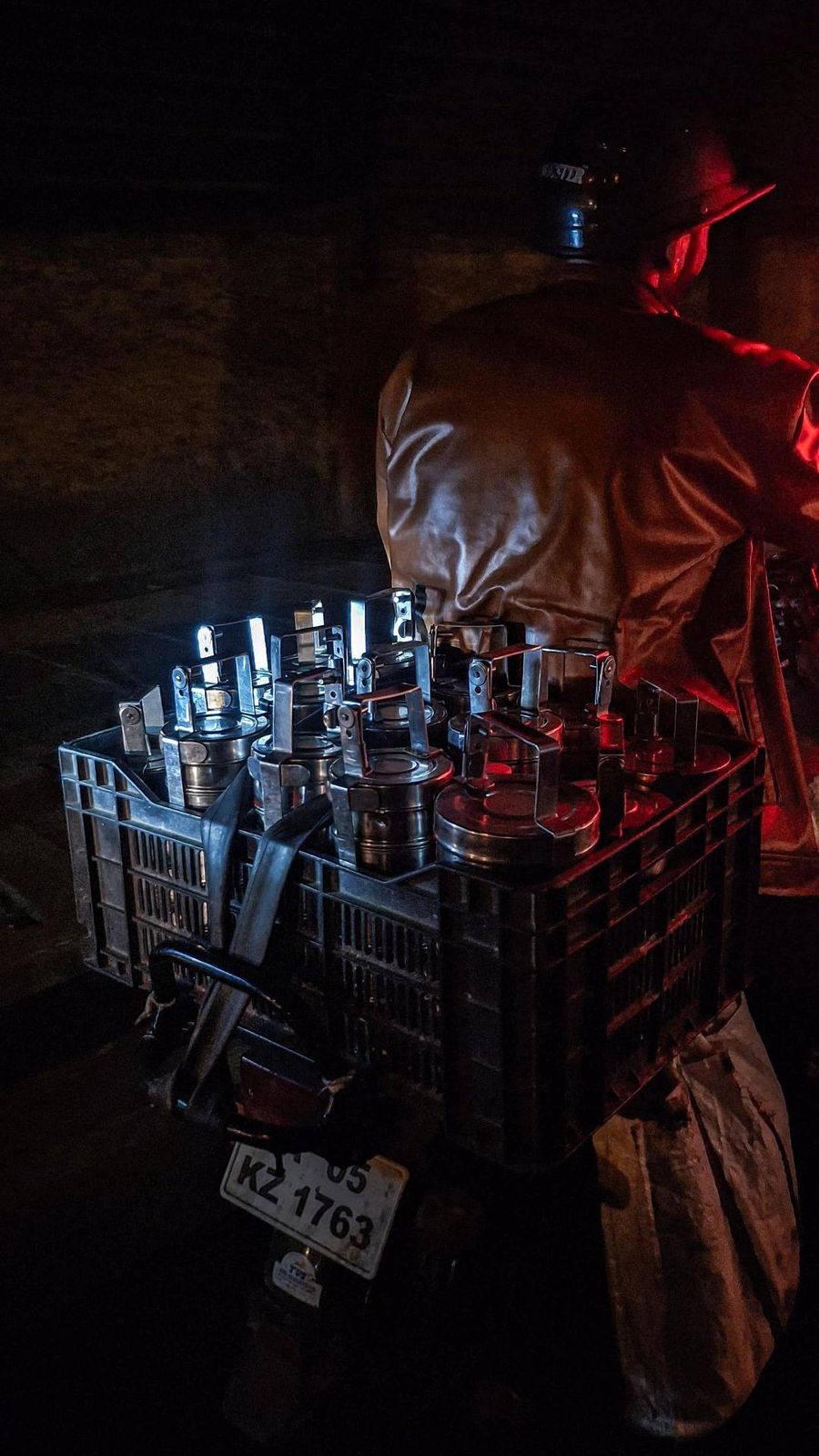
A Bengaluru interior after dark
@vaishali_kasibhatla
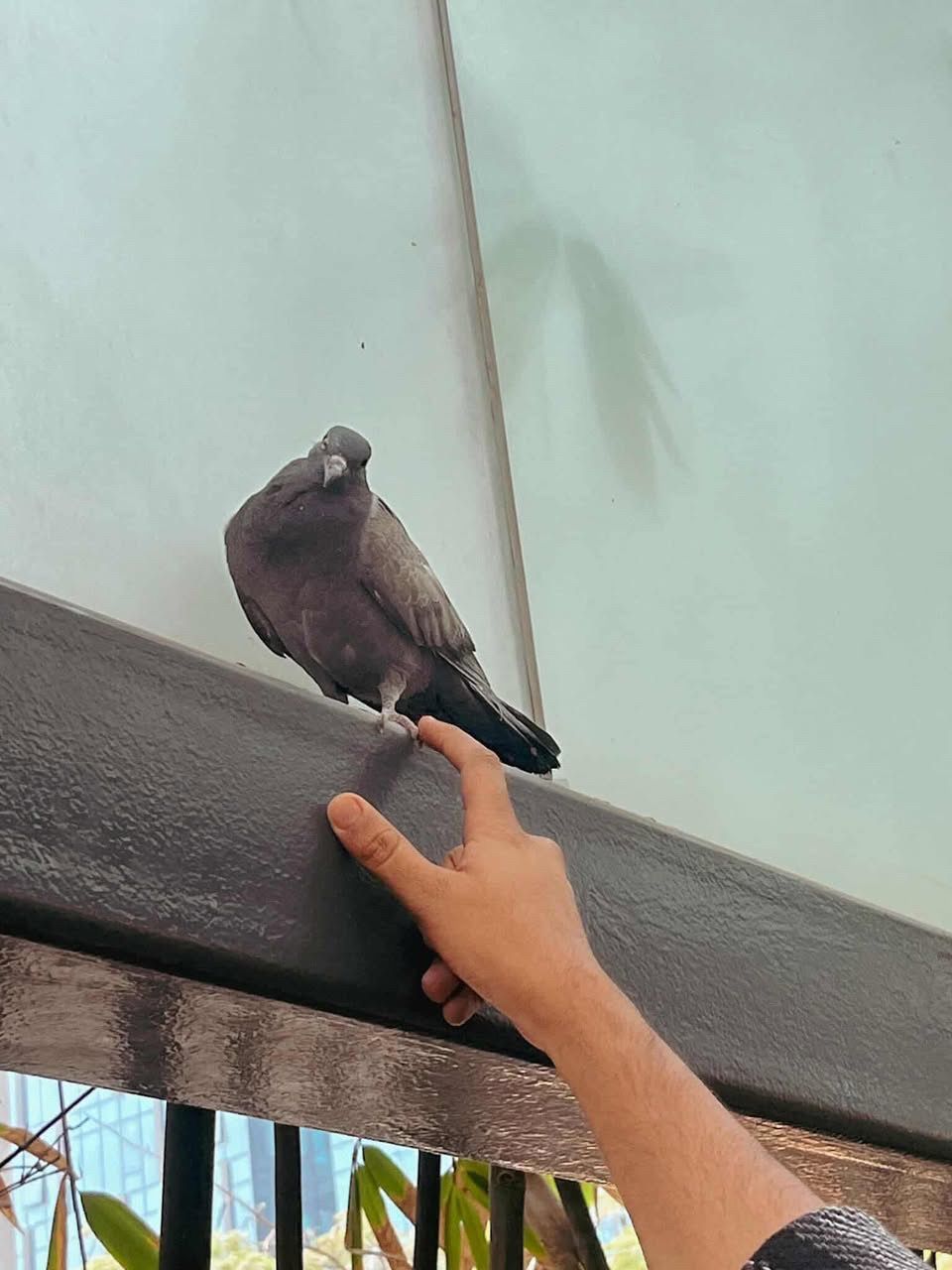
A hand reaching toward a pigeon on a ledge
@niviyavas
A loaded autorickshaw at dusk
@esther_winona
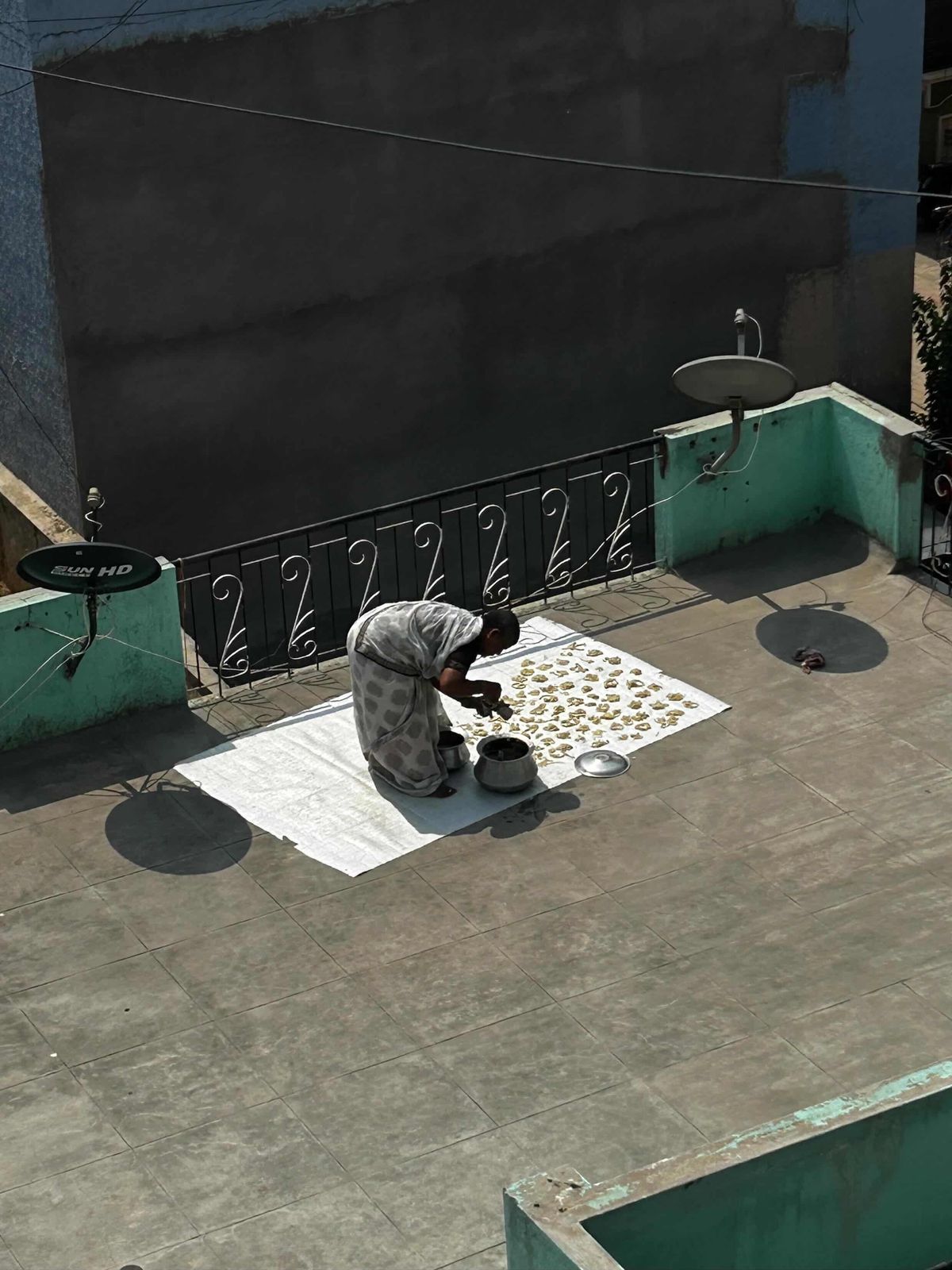
A rooftop scene seen from above
@_nickz_
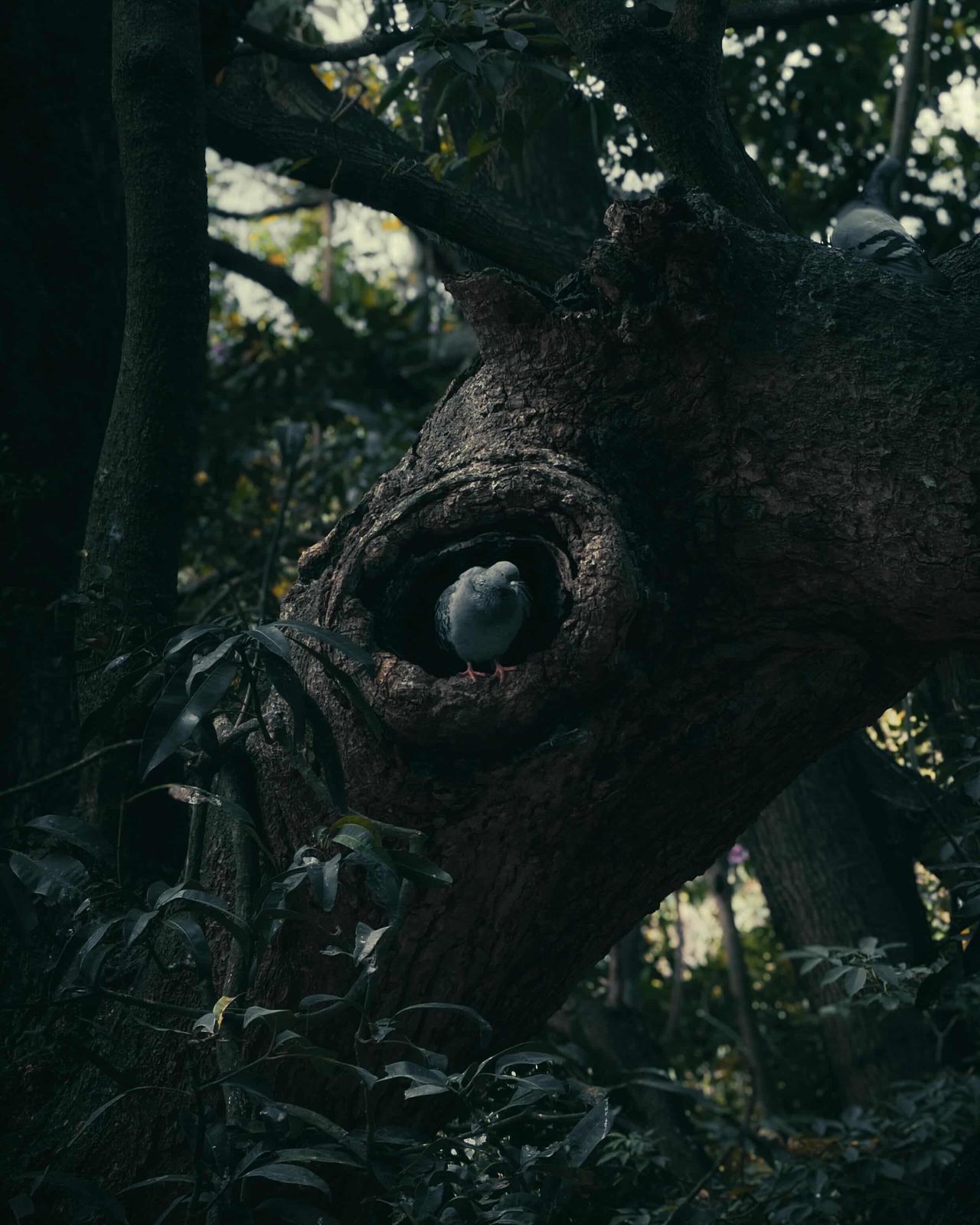
A bird in the hollow of a tree
@ashiiiiin
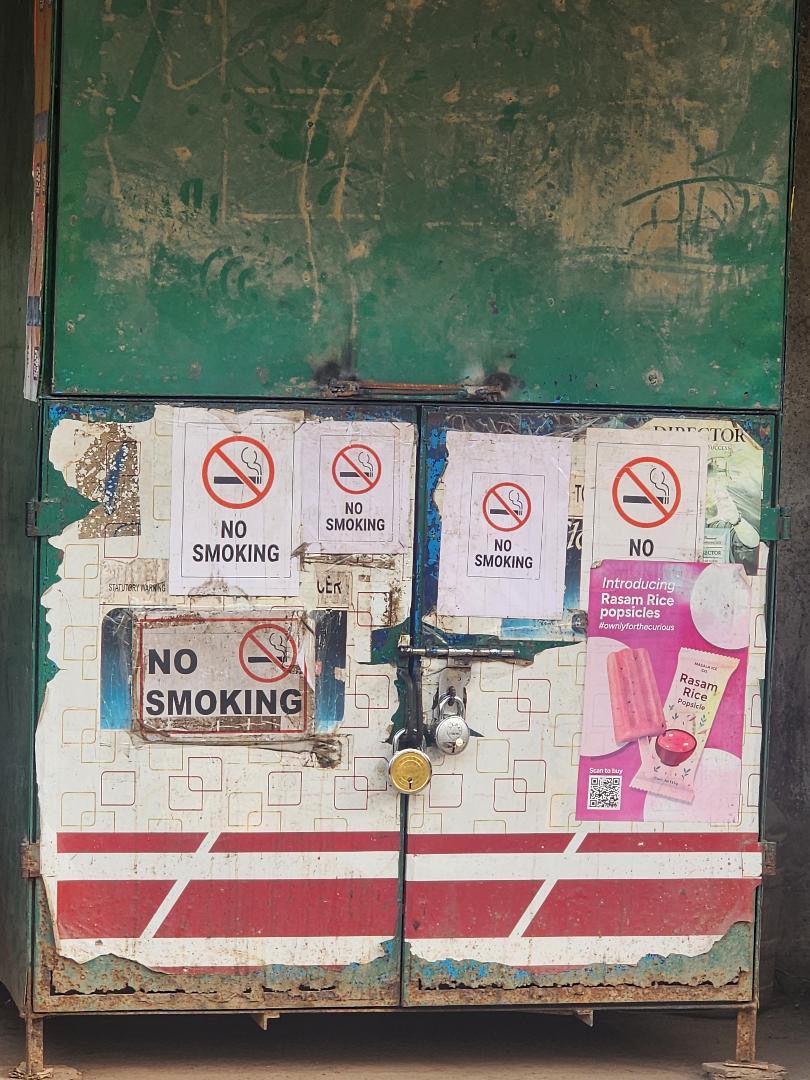
A weathered shopfront with No Smoking signs
@someonetalksalot

What the city sends us, every week · tap a frame to open it full screen

We'd build the book from two streams. The archive already runs deep — faces and façades, the auto stand at noon, a lane at last light — a strong base to draw from. Alongside it, we'd run a fresh call for submissions shaped around the book's chapters, so people shoot directly for the themes. It raises the overall quality and tunes the photographs to each chapter, so the final edit is sharper and made with the book in mind.

The call for submissions

We'd keep collecting through the project, this time around a theme. With a sponsor whose work is vision and observation, briefs like In Plain Sight, Hidden Bangalore, Closer Inspection, From Above / Below and Distant Admiration give contributors a reason to look again, and to shoot with the book in mind. It fits SRGR's world and the way Eyes of Luru already works, and it brings the whole city into the making of the book.


05

What Success Looks Like

The return on objective

A keepsake that outlives the launch — and an optician the city sees as its own.

The gifting expectation, met: something people are genuinely glad to receive and keep. S.R. Gopal Rao seen as the house that helps Bengaluru see, and a reason for a younger city to care about a ninety-year-old name. The shared audience brought together across both channels. And the soft metric that turns out to be the hard one: ten years on, the book is still on a coffee table, still being gifted, still the reason someone follows both @lurumagazine and SRGR.

Anjali set the bar herself: "something they will be excited about receiving, and keeping." The book clears it by never pretending to be anything other than what it is — a love letter to the city, with the city's own optician holding the pen-light.


06

Process & Timeline — Mid-to-Late October 2026

Plainly: from a mid-June signing to an October launch is fast for a photo book. It is achievable because the hardest part already exists — the archive is deep, the editorial spine is clear, and the contributors are reachable. Dropping Garrett Leight freed us from the old end-of-August scramble, so we can work at the right pace and still land in the festive gifting season, when a keepsake does its best work.

Phase 0 · Weeks 1–2
Curation & the Call

We assemble and tag the Eyes of Luru archive, open the themed call for submissions across both channels, brief the three commissioned photographers, and begin the S.R. Gopal Rao history research and interviews.

Phase 1 · Weeks 2–6
The Edit & the Shoots

We curate and sequence ~120–150 photographs into the six lenses, commission the new shoots — the house, the counter, the city — and write the SRGR interludes. The story architecture is approved at the first gate.

Phase 2 · Weeks 5–10
Design & the Dummy

Art direction and layout (~150–180 pages); the vellum-interlude, viewfinder-crop and contact-sheet systems built and prototyped with the printer. Biweekly reviews with Anjali; a full physical dummy in hand by week 10 (second gate).

Phase 3 · Weeks 10–13
Final Edit, Print & QC

Copyedit, proofs, colour management, press passes. The numbering and finish on every one of the 250 collector copies checked by hand before it leaves the printer.

Mid–late October 2026
Launch — Into the Season

The book launches into the festive gifting window. Launch film and social rollout across the LURU and SRGR audiences, ready two weeks prior.

The honest note on this timeline

Thirteen weeks works because the archive exists and the contributors are reachable — it needs material in the first fortnight, one-week review turnarounds, and vellum and board stock confirmed early. If a gate slips, the collector edition still launches in October and the ₹500 edition follows a few weeks later.

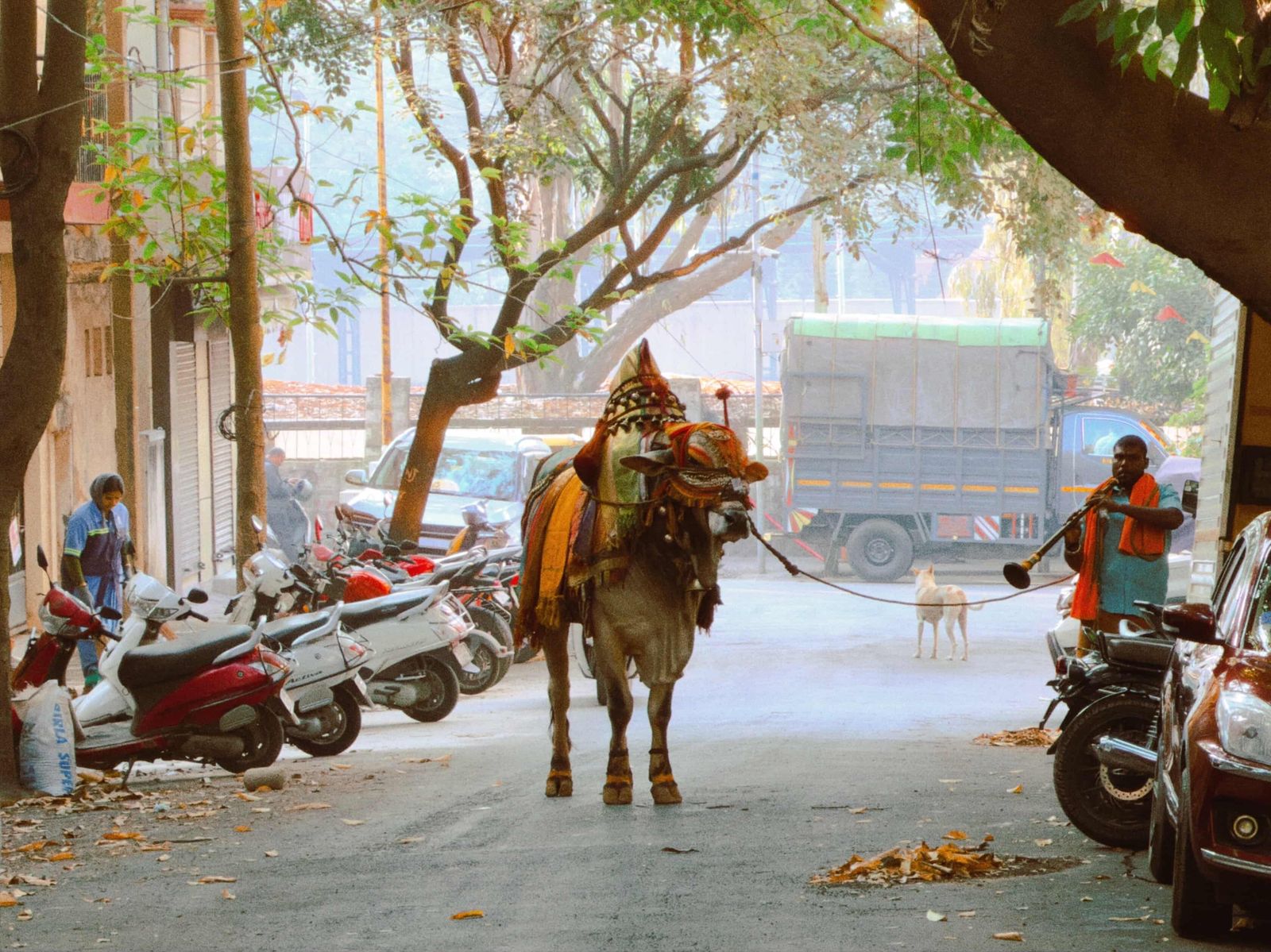
An old Bangalore street with a horse cart
Eyes of Luru — the city changing, one season at a time
07

What We Need from S.R. Gopal Rao

Material & access — at kickoff

The house's story & archive — the history from S.N. Rama Rao onward, old photographs and documents, store interiors across the decades, the royal-endorsement and Essilor records, the green-company and "See Bangalore Better" material.

People — Hemanth and Meghana Manay for interviews; the long-serving opticians and optometrists on the floor; introductions to longtime customers and the food-walk community.

Brand guardrails — the S.R. Gopal Rao brand guidelines, and one conversation about where the edges flex, so our designers know what is sacred and what is open.

A green light on the call for submissions — co-promoted across both channels, so the city shoots with the book in mind.

A decision cadence — biweekly 45-minute reviews with Anjali (or a named delegate), and one-week turnarounds at the three approval gates.


08

The Fee — ₹25,00,000, Itemised End to End

One number, fully loaded: ₹25 lakh plus GST for everything from the first frame to the final press pass — curation, photography, editorial, design, the object, production supervision, and the launch. Printing is payable at cost by S.R. Gopal Rao directly to the printer, with our supervision already included in the fee.

Why this number

Line itemWhat it coversFee (₹)
A · Photography & the Eyes of Luru Commission9,00,000
Amateur photographer honoraria~20 contributors × ₹15,000 — paying the city's amateurs for the work that makes this book.3,00,000
Commissioned photographyThree professionals across the six lenses: the house, the counter, and the city — shoot days plus direction.6,00,000
B · Editorial, Writing & Curation6,50,000
Concept development & creative directionThe book's vision — the "ways of seeing" spine — held consistent across every contributor.1,25,000
Commissioned writingThe S.R. Gopal Rao history and the chapter interludes (~25–30,000 words), at our standard ₹8/word.2,75,000
Editorial leadership & sequencingThe visual edit — turning 150 photographs into a narrative the reader moves through.1,25,000
Photo curation & selectionChoosing from the archive and the new submissions against the editorial bar.75,000
Developmental edit, fact-check & copyeditStory arcs strengthened; every SRGR claim verified; final polish.50,000
C · Design & Art Direction6,50,000
Conceptual design & art directionVisual identity, the seeing/viewfinder motif, the typographic system, the image–text balance.2,00,000
Layout (~150–180 pages)Image-led spreads, gatefolds, the focus-pull sequencing within each chapter.2,50,000
Image processing & colour management~150 images retouched and calibrated; honest pre-press colour from phone files to print.1,00,000
Cover, case, numbering & vellum systemThe clothbound case, hand-numbering, and the vellum-interlude pages — engineered with the printer.1,00,000
D · Production, Project Management & Rights1,50,000
Coordination & schedulingDay-to-day management of contributors, the sprint cadence, the approval gates.70,000
Contributor agreements & image rightsLicences, consents and credits for every photographer; GST and contract administration.50,000
Print supervision & on-press QCPress passes and the hand-check protocol for all 250 collector copies.30,000
E · The Call, Launch & Social1,50,000
Themed call for submissionsThe campaign across LURU and SRGR — briefs, micro-site copy, contributor handling.60,000
Launch assets & event supportLaunch film, in-store presence and event design for the October launch.50,000
Social activationThe shared-audience rollout — posts across both platforms before and after launch.40,000
Total — all services, end to end₹25,00,000

All figures exclude GST at 18%. Out-of-town travel for shoots beyond Bengaluru billed at cost with prior approval.

Printing — at cost, excluded above

S.R. Gopal Rao pays the printer directly, at cost; our supervision is already in the fee. Indicative, to be quoted precisely off the dummy: the collector edition (~250 copies) — clothbound, foil, vellum interludes, hand-numbered — typically lands between ₹1,800–3,000 per copy (₹4.5–7.5L total); the ₹500 edition at 500–1,000 copies between ₹250–400 per copy. The ₹500 cover price is deliberately accessible — subsidised by the sponsorship, in the LURU spirit. Paper and board prices are moving; final pricing locks at dummy approval.

Payment milestones

Four equal tranches of ₹6,25,000: on signing · on story-architecture approval · on dummy approval · on delivery to launch. Each gate ties to something S.R. Gopal Rao can hold in its hands.


09

Ownership & Editorial Terms

Draft for discussion

The shape of the partnership. S.R. Gopal Rao presents and funds the book; LURU creates it and keeps its editorial independence. The brand-story chapters and the book's design are made for SRGR and yours to use. Eyes of Luru — the name, the series, the format — remains LURU's ongoing property, which is exactly what lets it grow into an annual.

The photographs. Each photograph is licensed from its maker for the book and its promotion, with a credit and an honorarium for every contributor. We'd handle the consents and licences so the object is clean to print, gift, and sell.

Editorial voice. SRGR came to LURU for the voice — that is the reason this conversation exists — and the book needs that voice to have soul. We ask for the freedom to write with it. The brand guardrails, the approval gates, and the biweekly reviews are yours to steer, and we'll hold ninety years of history with the care it has earned.

Credit. Eyes of Luru, presented by S.R. Gopal Rao. Produced by LURU Magazine. Final wording agreed together before print.

A draft to be refined together and formalised in the engagement letter.


10

Why LURU

LURU Magazine launched in 2025 — a quarterly print magazine about Bengaluru, made by a small team of writers, designers, and behavioural scientists. Within its first year, Issue 03, The Games We Play, was recognised with a 2025 Foreword INDIES award (Silver, Anthologies) and the magazine took a Kyoorius Blue Elephant for design. Four issues so far, roughly 3,000 copies in circulation, and a mailing list that opens at 60% — a readership that shares what it loves.

And Eyes of Luru is already ours — we have run it week after week, and the photographers who shoot for it trust us with their work. We also run LURU Publications, where Grandmothers of India is teaching us how to turn a hundred separate voices into one book a reader moves through with feeling. This project sits on that same shelf.

Cities need people to love them before they'll work to change them. The first step is telling the stories — and showing the photographs — that make the city worth loving. LURU Magazine · editorial philosophy

11

The Counterfactual Check

Every proposal should argue against itself once, to guard against believing only the good case. Six risks, six guardrails:

Arguing against ourselves

The brand-book trap. A book of self-praise dies on the coffee table. Guardrail: the photographs lead; SRGR appears as vellum interludes; the editorial terms in §09 protect the voice.

Image rights at scale. Hundreds of amateur photographs means hundreds of permissions. Guardrail: a consent-credit-honorarium workflow from week one, with a clear licence from each photographer.

Amateur quality varies. Not every submission deserves print. Guardrail: a hard curation bar, three professional commissions to anchor the book, and a fresh themed call for the best new work.

The October timeline. Thirteen weeks is tight. Guardrail: the archive already exists, curation is front-loaded, and the ₹500 edition can follow weeks after the collector edition if a gate slips.

Print & paper volatility. Prices are moving with the war. Guardrail: at-cost transparency, the quote locked at dummy approval, and a design that degrades gracefully.

The ₹500 economics. At that price the trade edition barely clears print. That is deliberate — the low price is there to widen access, paid for by the sponsorship so the whole city can hold the book.


12

Next Steps

Step 1 · This week
A short alignment call

Thirty minutes with Anjali to confirm the editorial direction (§02), the two editions (§03), and the mid-to-late-October window. We answer any open questions before the engagement letter.

Step 2 · Within a week
Engagement letter

Deliverables, timeline, milestones, and the terms from §09 — kept simple, signed fast. Every week before July matters to an October launch.

Step 3 · Immediately after
Kickoff & the call goes live

Archive curation begins, the themed call for submissions opens across both channels, and the first S.R. Gopal Rao interviews go on the calendar.

We'll say plainly what we'd say in the room: this is the most Eyes-of-Luru-shaped project we could be offered — the city's own photographs, gathered and made beautiful, and presented by the house that has helped Bengaluru see for ninety years. We would be proud to make it, and prouder still to see it gifted, kept, and argued over a decade from now.